
Slavery in the United States has been officially dead since 1865, although it still occurs with alarming regularity across the nation today; it’s mostly done in secret or subtly metastasizes just beyond the compassionate light of humanity. This profound tragedy has been with us since the dawn of man, taking root on every single continent, echoing through the annals of every culture, and ensnaring victims among every race without exception.
One can hardly imagine something more insidious and deeply sadistic than being subjected to prolonged suffering in bondage by the hands of another human being. To be entirely owned by another person and denied the fundamental right to freedom might well be considered the ultimate degradation, except for the compounding tragedy of having one’s innocent family members born directly into that same inescapable system of slavery, too.
Could you ever truly imagine your own personal worth, or the precious, innocent value of your newborn baby, being coldly determined by a stranger standing within a chaotic marketplace in a strange and foreign land? Throughout the dark chapters of history, numerous ancient cultures spread across the vast landscapes of Europe were systematically destroyed and genocided, while those who somehow managed to survive were subsequently subjected to the horrific, unimaginable brutality of human enslavement.
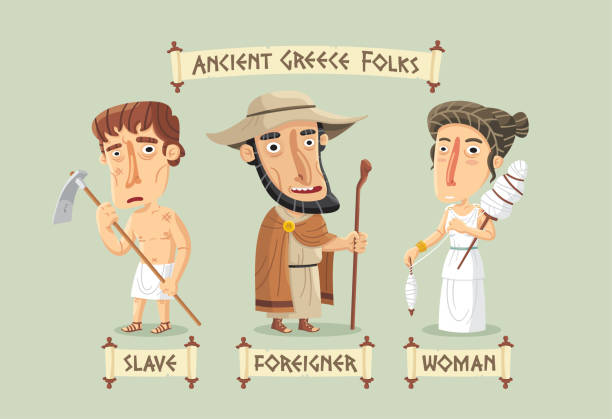
The profound humiliation of being bought and sold like mere livestock, utterly devastated as you were violently torn away from the loving embrace of your family, must have been an insurmountable psychological and physical burden to bear. Just think deeply about the tragic plight of the ancient helots in Sparta, who found themselves born into perpetual slavery bound directly to the harsh land itself, forced to relentlessly toil upon it from the very moment of their birth all the way through a thoroughly miserable and uncelebrated death.
The Spartan secret police implemented a vicious system of surveillance to ensure that no individual helot ever became excessively powerful, too prosperous, or overly independent, for if they did, that unfortunate soul would immediately have to fear for their very life. These subjugated helots were routinely terrorized, humiliated, and brutally murdered in cold blood specifically to strike deep terror and maintain absolute control within their wider community.
At first glance, there seems to be absolutely no bright side or redeeming quality to the horrific institution of slavery. Given this profound and undeniable moral failure, one might naturally wonder why, for thousands upon thousands of years, this brutal practice was universally accepted throughout almost every human society and deliberately made the foundational backbone of many powerful world economies. When we objectively compare the vast stretches of time during which forced labor was considered a completely legitimate and normal institution, 1865 was literally just yesterday, a mere blink in the extensive and complex history of human civilization.
Does slavery’s long involvement and unfortunate presence throughout our past really mean that we were entirely evil people as a nation until the year 1865? Of course that is not the case at all. We always have to properly put things in their correct historical context; we must thoughtfully take into careful consideration what was actually going on in the wider world at that specific point in time.
Can we apply that same fundamental logic to the deeply contentious issue of abortions, which in the United States officially became legal nationwide following the landmark 1973 ruling and subsequently permitted the termination of a developing life up to the twenty-fourth week of pregnancy? Even though modern medical science and advanced technology have definitively proved the viability of a baby at a stage much younger than twenty-four weeks, today in several progressive states individuals can legally abort the unborn baby up until the very final moments of the ninth month of gestation.
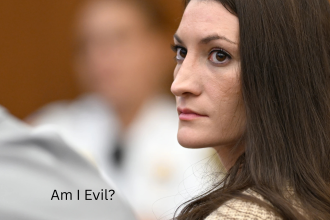
Even a baby that is deemed perfect and healthy is not safe until birth, and depending on the outcome of the Lindsay Clancy trial, it’s not even safe then. Killing a baby in the womb is a disgusting and haunting process, just like killing one outside the womb.
A developing human life is abruptly and violently disrupted by intentional human intervention, and in many heartbreaking cases, it is systematically chopped up and forcefully extracted by a medical suction tube. It has been rigorously noted and documented in some tragic instances of a child surviving the abortion procedure that they are simply left to die entirely alone on a cold, unforgiving floor. An astounding and deeply troubling total of over a million elective abortions happen every single year, exclusively within the borders of the United States.
Abortion has been conveniently packaged as a “women’s reproductive right,” but what right do you have to end another life? Just as we have no right to enslave other people, history will look back at abortion as a selfish, depraved act driven by one’s threshold for inconvenience.
Will future generations of historians and enlightened societies look back at these countless billions of wasted, innocent lives with the same moral clarity and profound disgust that we now reserve for the darkest chapters of human history, such as the grotesque institution of slavery, recognizing it entirely as a selfish, abhorrent, and profoundly unjust system that exclusively served the narrow, greedy interests of only one side?