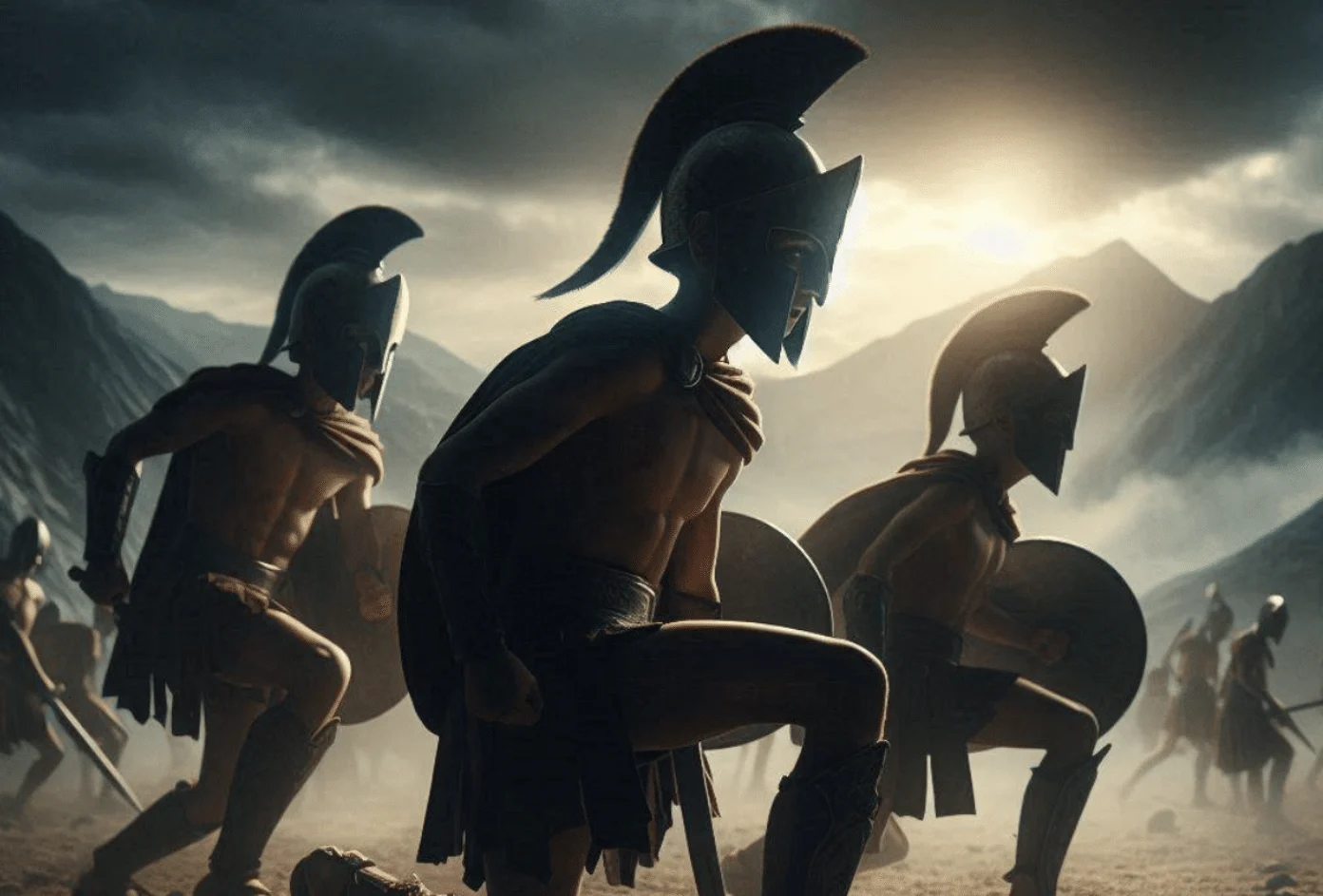
Spartan society was meticulously and purposefully designed with one primary goal in mind: winning wars and producing elite soldiers of unmatched skill and discipline. Unlike other Greek city-states, which were celebrated for their advancements in art, the development of democracy, and groundbreaking literary innovation, these cultural and intellectual pursuits were largely ignored by the Spartans. Their entire focus was on becoming unstoppable warriors, dedicating themselves fully to rigorous military training and discipline rather than engaging in manual labor or artistic endeavors. To support this intense militaristic lifestyle, the Spartans subjugated weaker Greek populations, forcing them to work the fields and manage the livestock, thereby freeing the Spartans from any economic or agricultural responsibilities.
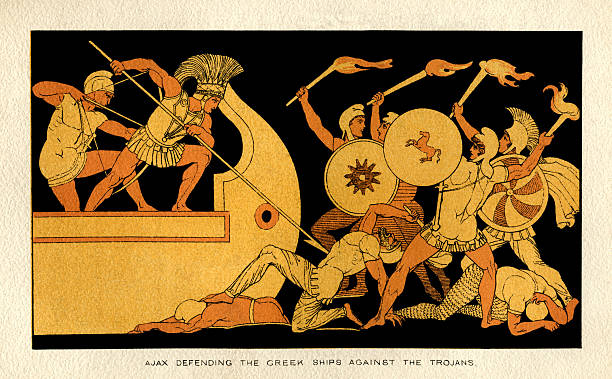
The crafting and producing of warriors in Spartan society began at a very early age; Spartan males were handed over to the state for rigorous training starting from the tender age of seven. At this young age, they were introduced to the agoge, which was essentially a strict military commune designed to develop discipline, endurance, and combat skills. They would remain in this demanding training environment until they reached the age of twenty, at which point they would formally join the Spartan army as full-fledged soldiers. Their military service and training would continue uninterrupted until they reached the age of thirty, after which they were granted the opportunity to move into their own homes or return to live with their families, having proven themselves as warriors and citizens.
The agoge was an incredibly harsh and terrifying environment, specifically designed to toughen the young Spartans. In this brutal training system, the boys were frequently denied adequate food and were often subjected to severe sleep deprivation. They were encouraged to steal food as a means of survival and resourcefulness, but if they were caught in the act, they faced strict and often harsh physical punishment. Throughout their time in the agoge, they endured various forms of ritualized violence, which was intended to build resilience and strength. This intense upbringing also emboldened them to engage in aggressive and forceful acts against their peers, fostering a culture of toughness and dominance.
The agoge was a demanding and comprehensive training program designed to instill strict obedience in young Spartans, ensuring they followed orders without question. It provided them with elite physical conditioning, pushing their bodies to the limits through intense exercises and endurance challenges. Additionally, the agoge taught them essential survival skills, preparing them to endure extreme hardships and face terrible adversity with resilience and determination. Those who excelled and demonstrated exceptional skill and discipline throughout this rigorous and grueling process could earn the prestigious opportunity to join the Kryptiea, an elite and secretive branch of the Spartan police force tasked with maintaining order and discipline within the city-state. Despite the strict military lifestyle, many Spartans, upon reaching adulthood, chose to form personal relationships and bonds with women outside the confines of the military barracks, seeking companionship and connection beyond their life of constant training and duty.
Unlike many other Greek city-states such as Athens, where it was common practice to marry off girls as young as twelve years old, Spartan women typically entered into marriage at a much older age, usually in their late teens or even early twenties. The marriage process in Sparta was quite unusual and distinct compared to other regions; the Spartan man first had to obtain permission from the bride’s father, and only then would he leave the military barracks to carry out a ritualistic abduction of his future wife, marking the beginning of their union.
The Spartan man, now in his twenties and fully grown, would carry out a unique and somewhat harsh tradition involving his bride. He would have his bride’s head shaved completely bald and then dress her in men’s clothing to disguise her appearance. After this, he would stealthily sneak into her house under the cover of darkness and carry her off to begin their new life together. Eventually, the couple would be granted an estate by the state, where they would be responsible for managing slaves who were bound to the land. These slaves, known as helots, were actually the original inhabitants of the region before the Spartans arrived, and the Spartans took control of them along with all their lands and resources.
The Helots were compelled to cultivate the land to ensure that the Spartans could fully devote their time and energy to rigorous military training and duties; these Helots were subjected to constant harassment and were frequently killed as a method to maintain strict control and prevent any uprisings. Around 743 BC, the Spartans launched a significant invasion against their neighboring people, the Messenians, subsequently enslaving the entire population and seizing their valuable resources to strengthen Spartan power and wealth.
The introduction of the Messenians into the slave class caused the Spartans to be outnumbered by their own subjects by a ratio of seven to one within their own territory. This overwhelming numerical disadvantage made the Spartans particularly vulnerable to slave uprisings, a threat they genuinely feared and took very seriously. In contrast to many other Greek city-states, Sparta maintained the unique system of having two kings simultaneously—one king was responsible for handling foreign affairs, while the other was specifically tasked with managing and suppressing potential slave revolts, ensuring the stability of their society.
The Helots were forced to wear distinctive dog-skin hats along with rough leather and various other garments made from animal hides, all designed specifically to make their lowly status immediately obvious to everyone around them. These clothing choices ensured that the Helots could be easily identified and subjected to mistreatment without hesitation. In addition to this visual mark of their oppression, the Spartans carried out a brutal and terrifying ritual once every year, unleashing a ruthless and deadly spectacle upon the Helots. This violent event was intended to keep the Helots suppressed, instilling fear and preventing them from ever gaining too much power or challenging their Spartan overlords.
Military Machine
The Spartans were widely feared and respected all across ancient Greece; they were renowned for having the most formidable and disciplined ground forces in the entire country. Sparta’s period of dominance, or hegemony, endured for approximately 33 years, spanning from 404 BC until 371 BC. During this era, they even managed to keep the powerful and influential city-state of Athens on the defensive, particularly throughout the protracted and intense Peloponnesian Wars. One of the most famous events during Sparta’s rise to power was the Battle of Thermopylae, where a relatively small Spartan force heroically held off the massive invading Persian army for three days before ultimately being betrayed by a traitor, leading to their defeat.
Continual war campaigns, however, left the Spartans critically short of military-aged men to maintain their formidable fighting force. At the height of Sparta’s power, under the leadership of the legendary King Leonidas I, the city-state could only muster around 8,000 males in total who were eligible for military service. By the year 371 BC, this number had sharply declined from several thousand down to approximately just a thousand able-bodied men. Among these remaining males, a significant portion were either too old to serve effectively or too young to be trained as full soldiers. As a result, the Spartans found themselves forced to supplement their traditional army ranks with helots, the subjugated serf class, to bolster their military strength and compensate for the dwindling number of native Spartan warriors.
They found themselves compelled to fight side by side with individuals in whom they held very little trust or confidence, often questioning the loyalty and reliability of those they were serving alongside. The original population of Spartans, once a tightly-knit and exclusive group, had been significantly diluted over time due to the influx of helots and other non-Spartan individuals being incorporated into the military ranks. As a result, the pool of military-aged men who were available and qualified to serve was becoming increasingly difficult to replenish. Could this growing scarcity be attributed to the extremely stringent and rigorous process required both to become a Spartan citizen and to maintain that status throughout one’s life?
In 371 BC, the city-state of Sparta engaged in the significant Battle of Leuctra against Thebes, which was recognized as one of the foremost military powers among the Greek city-states during that period. At the time of this crucial battle, there were approximately only 700 actual Spartans present on the battlefield. The Spartans were decisively defeated and routed by the Theban forces, and this defeat marked a pivotal turning point, signaling the end of Sparta’s long-standing dominance and reign as the hegemonic power over Greece.
A year earlier, in 370 BC, the renowned Theban general Epaminondas launched a decisive invasion into Laconia, the heartland of Sparta, and successfully liberated the Messenian helots who had been oppressed for generations. Following this significant victory, the Messenians rebuilt the city of Messene right within Spartan territory as a strategic move to ensure that Sparta could never regain its former dominance and influence in the region. Over time, Sparta’s military and political power diminished so drastically that it transformed from a mighty warrior state into a mere tourist attraction for visiting Romans, who marveled at its ruins but recognized that it would never again reclaim its legendary status or former glory.
In summary, the fall of Sparta was primarily due to its inability to maintain and sustain its original population of soldiers, which was a fundamental factor in its decline. Over the years, this loss of a vital population base weakened Sparta’s military strength and overall societal structure. Many years later, Rome came to understand the immense importance of preserving and protecting its original population, recognizing that maintaining a stable and robust citizen base was crucial for the longevity and success of their civilization.